
VR vs Triple Screens in Sim Racing
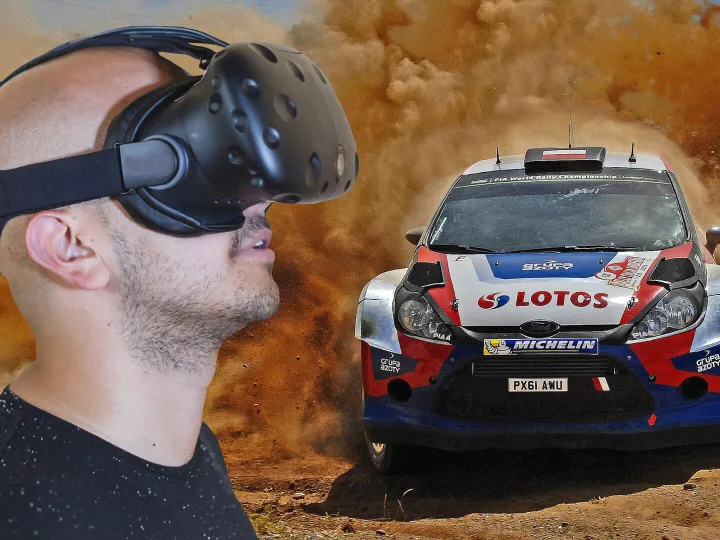
The rise of realism in motion rig racing
VR headsets can turn a home sim racing setup from a fun driving game into a truly immersive cockpit experience. However, they also entail additional costs, comfort challenges, and technical requirements that may not suit everyone. If you are deciding between VR headsets and screens for sim racing, your best option depends on how much you value immersion, the space you have, your hardware, and how long you plan to race at a stretch.
Picture getting into your home rig, fastening the belts, and seeing a full-size cockpit stretching into a night race at Spa instead of three screen edges and a desk lamp. That’s what modern VR headsets offer compared to screens, and for many drivers, it has changed how they practice, race, and choose their gear.
Analysts say the VR headset market for sim racing could reach about $ 2.5 billion by the middle of the decade, thanks to esports and demand for more realistic racing at home. Meanwhile, triple screens have addressed many of VR’s early issues and remain the go-to choice for many league racers. We look at VR and triple screens in sim racing, comparing immersion, performance, comfort, and cost, with real examples to help you decide if a VR headset is right for your next home simulator.
Immersion and sense of presence
The main reason to choose a VR headset for sim racing is immersion. Stereoscopic 3D and head tracking make the cockpit feel like it surrounds you, not just sits in front of you. Many drivers say this gives them a stronger sense of speed, helps them judge braking points better, and lets them notice car rotation sooner when the whole track fills their view.
With a high-end motion rig, this feeling gets even stronger because the platform's movement works with the VR visuals to give your body more of the signals it expects from real driving. On a fixed rig, triple screens can still create a strong sense of presence by filling your side vision, but they are still flat and can’t match the depth perception you get from VR when turning into a blind corner.
Performance, clarity and hardware demands
The trade-off for immersion is performance. Running a modern VR headset at high refresh rates needs much more GPU power than a similar triple-monitor setup. Headsets like the Pimax Crystal series display almost 30 million pixels, which gets close to monitor-level clarity, but you’ll need a top-tier graphics card and careful settings for each game.
For most racers, headsets like the Meta Quest 3 or HP Reverb G2 offer a more affordable balance. They have about 2K resolution per eye and image quality that many users say is sharp enough to read brake markers, while still running smoothly on a mid- to high-end PC. Triple screens share the graphics load across three panels at a set resolution, making it easier to optimise performance and handle occasional frame drops more effectively during busy online races.
Comfort, ergonomics and long sessions
Comfort is an area where screens have an advantage. Even experienced sim racers say that long VR sessions can feel hot and cramped, especially in summer or with rigs that move a lot and need secure straps and cables. Eye strain, motion sickness, and the inability to quickly look at a button box or notepad can make some drivers switch back to triple monitors once the excitement of VR wears off.
Triple screens leave your face uncovered and make long races, like four-hour endurance events, feel easier. You can drink, adjust your gloves, or check data on a side monitor without getting out of the car. In league racing, where you need to handle overlays, team radio, and live strategy sheets, the practical benefits of screens are just as important as VR’s immersion.
Space, setup and home rig integration
For home setups, VR is surprisingly space-saving. A VR sim racing rig can fit in a corner with just a PC, wheel base, and pedals, and you can keep the headset on a stand. This takes up less space than three big screens and their mounts, which is important in apartments or shared rooms where a triple-monitor setup would take up too much space.
Triple screens need careful setup, strong supports, and enough space to line up all three panels evenly, which can be tricky on smaller rigs. The benefit is that your cockpit is always visible and ready, so you can quickly start a 20-minute race without having to adjust headset straps, eye distance, or cables every time.
Competitive pace and lap times
Some buyers worry that VR will slow them down, but tests show it’s not that simple. Pimax’s own results found that drivers had slightly better average track positions and lap times in VR than with triple screens, thanks to better depth perception and more confidence entering corners. This matches what many sim racers say: once they get used to VR’s different visuals, they are just as fast, if not faster.
However, for very long races, triple screens can still be better because they cause less fatigue and make it easier to manage strategy tools. In the end, your speed depends on how comfortable you are with VR and how well your rig is set up, especially if you use motion, since every bump and curb feels stronger in the headset.
Cost, value and future proofing
The cost difference between VR headsets and screens for sim racing is changing as prices drop. Analysts expect the VR headset market for sim racing to grow by more than 20 per cent annually from 2025 to 2033, thanks to lower-cost devices and improved software. Headsets like the Meta Quest 3 now sell for a few hundred dollars, making them cheaper than some triple-monitor setups and useful for other VR games too.
High-end headsets like the Pimax Crystal require a significant investment and a powerful PC, so the total cost is comparable to that of a top-quality triple-monitor setup. The main difference is that VR technology changes quickly, so people who want the best visuals may need to upgrade more often than those who buy good screens that last through several PC upgrades.
What to choose – VR or screens?
If you are building your first home racing simulator, a VR headset is a great choice if you want maximum immersion, have a strong enough graphics card, and don’t mind adjusting settings for each game. If your setup already has a motion platform, adding VR can give you a more realistic experience than regular screens can at the same price.
Triple screens are still a great option if you want comfort during long races, need your PC for other tasks, or want your cockpit to double as an office or content creation space. Many serious sim racers use both: VR for quick laps and certain championships, and triple screens for endurance races and league events where practicality is more important.
Hitting the home straight
VR headsets have grown from experimental gadgets into serious tools for sim racing, with a rapidly growing market and models that now offer monitor-like clarity and full cockpit immersion. Still, the best choice between VR and triple screens depends on what matters most to you: immersion, comfort, space, and your PC's ability to handle high-res graphics.
If you are building or upgrading a home racing simulator, it’s smart to try both options with your favourite games and, if possible, with a motion rig like the one you want. Spend some time in each setup to see if you prefer the headset or the open feel of screens, then plan your budget around the best VR headsets or a solid triple-monitor setup that will last for years.
Read More: Immersive screens
About Us
Race@home launched in 2020, offering immediate shipment of high-end sim hardware to frustrated customers. Our acclaimed LowRider 5DOF and new LowSlider 6DOF platforms prioritise compact excellence.
Contact Us
raceathome@gmail.com
+447988775662
Leicester, United Kingdom
WhatsApp
Instagram
Facebook
TrustPilot
YouTube